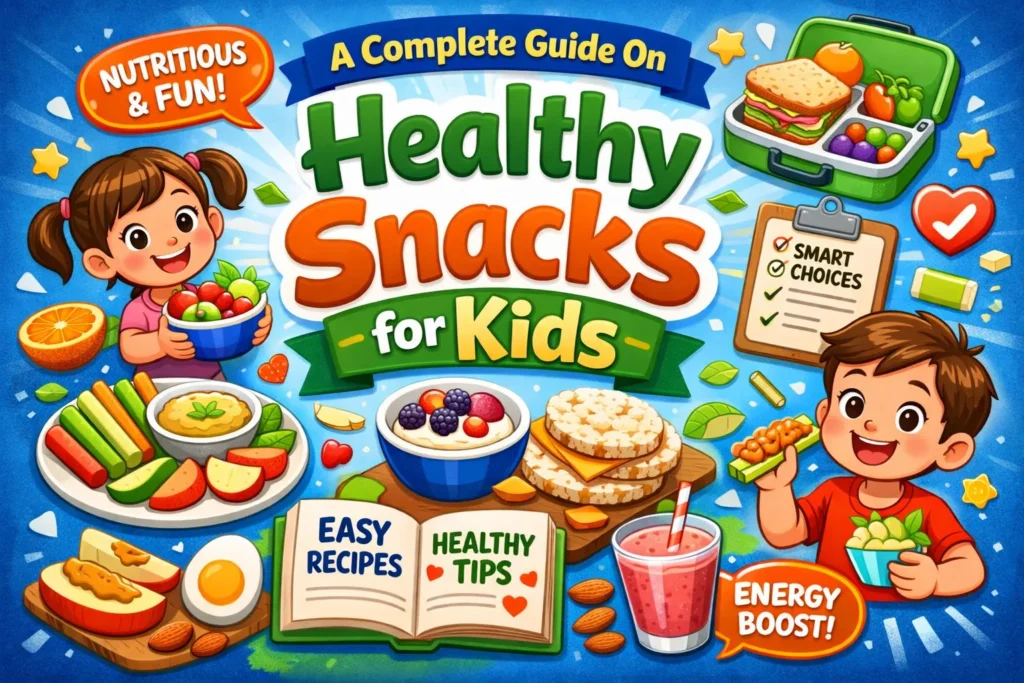
Choosing healthy snacks for kids is one of the most important yet challenging tasks for parents. Snacks play a critical role in a child’s daily nutrition, energy levels, mood, and overall growth. Unlike adults, kids have smaller stomachs and higher nutrient needs, which means the quality of snacks matters just as much as meals.
This comprehensive guide is designed to help parents understand what truly makes a snack healthy, how to balance nutrition with taste, and how to choose both homemade and store-bought options wisely. Whether you are packing a school lunch, planning after-school snacks, or looking for convenient on-the-go choices, this article will help you confidently select the best healthy snacks for kids without stress or confusion.
Why Healthy Snacks Matter for Kids
Children grow rapidly, both physically and mentally. Their bodies require a steady supply of nutrients throughout the day to support:
- Brain development and concentration
- Bone and muscle growth
- Stable energy levels
- Healthy digestion
- Strong immune function
Snacks bridge the nutritional gap between meals. When chosen carefully, they help prevent overeating at mealtime and reduce dependence on highly processed foods.
On the other hand, frequent consumption of low-nutrient snacks can lead to energy crashes, poor appetite at meals, and long-term unhealthy eating habits. That’s why understanding healthiest snacks for kids is essential for every parent.
What Makes a Snack Healthy for Kids?
Before diving into specific food options, it’s important to understand the basic characteristics of healthy snacks.
1. Balanced Nutrients
The best snacks include at least one of the following:
- Protein (supports growth and keeps kids full)
- Fiber (aids digestion and satiety)
- Healthy fats (supports brain development)
- Complex carbohydrates (provide sustained energy)
2. Minimal Added Sugar
Excess sugar contributes to energy spikes and crashes. Natural sugars from fruits or dairy are generally preferable to refined sugars.
3. Age-Appropriate Portions
Healthy snacks for kids should be filling but not so large that they replace meals.
4. Simple Ingredient Lists
Shorter ingredient lists usually indicate less processing and fewer additives.
How Many Snacks Do Kids Need Per Day?
Snack frequency depends on age and activity level:
- Toddlers (1–3 years): 2–3 small snacks daily
- Preschoolers (4–5 years): 2 snacks per day
- School-age kids (6–12 years): 1–2 snacks daily
- Active children: May require an additional snack
Spacing snacks evenly throughout the day helps maintain energy and prevents hunger-driven meltdowns.
Healthy Store-Bought Snacks for Kids: Crackers and Puffs
Store-bought snacks can be part of a healthy diet when chosen thoughtfully. Crackers and puffs are especially popular among kids due to their crunch and mild flavors. The key is choosing options that offer whole grains, plant-based ingredients, and reasonable sodium levels.
Strawberry Shortcake Goldfish
These are often enjoyed as a fun, sweet-leaning snack option. When eaten in moderation, they can be paired with protein like yogurt or milk to create a more balanced snack. Their familiar shape and taste can help picky eaters feel comfortable while still enjoying portion-controlled snacking.
Breton Crackers
Breton Crackers are typically known for their simple, grain-based profiles. Whole-grain varieties can contribute fiber and make a good base for nutrient-dense toppings such as nut butter or cheese.
Harvest Snaps Snapea Crisps
Made from legumes, these crisps provide plant-based protein and fiber. They offer a crunchy alternative to traditional chips and can support fullness between meals.
Triscuits
Whole-grain wheat crackers like Triscuits contain fiber and complex carbohydrates. Pairing them with hummus or sliced cheese turns them into a satisfying and balanced snack.
Amara Smoothie Melts
Smoothie melts are often fruit-based and portioned for young children. They can be a helpful option for toddlers transitioning to solid foods, offering exposure to fruit flavors without mess.
Tip for Parents:
When choosing crackers or puffs, check sodium levels and aim to pair them with a protein or fat source for better nutrient balance.
Healthy Store-Bought Snacks for Kids: Bars
Snack bars are convenient and portable, making them popular among busy families. However, not all bars are created equal. The healthiest options tend to use whole food ingredients and provide fiber or protein.
Dino Bars
Often designed with kids in mind, these bars can be useful as occasional snacks. Look for options that prioritize whole grains and avoid excessive added sugars.
KIND CHEWY Granola Bars
Granola bars with nuts or seeds can provide healthy fats and fiber. Chewy textures are appealing to kids while being easier to eat than crunchy bars.
Larabars
Bars made primarily from fruits and nuts can be a simple snack option. Their minimal ingredient approach can appeal to parents looking for straightforward nutrition.
RX Bars Mini
Mini-sized bars are helpful for portion control. Protein-rich options can support muscle development and help keep kids full longer.
Nature’s Bakery Fig Bar
Fig-based bars often provide fiber and natural sweetness from fruit. They can work well as a snack when paired with milk or yogurt.
Tip for Parents:
Bars should supplement, not replace, fresh foods. Use them for travel days, school snacks, or busy afternoons.
Best Dairy Snacks for Kids
Dairy snacks provide essential nutrients such as calcium, protein, and vitamin D, which are vital for bone health and growth.
Cheese Sticks and Snack Cheeses
Cheese sticks are easy to portion and rich in protein and calcium. They pair well with fruit or whole-grain crackers for a balanced snack.
Yogurt Tubes
Yogurt tubes are popular with kids and convenient for lunchboxes. Choose varieties with lower added sugar and active cultures for digestive health.
Drinkable Yogurt
Drinkable yogurt offers protein and probiotics in an easy-to-consume format. It can be especially helpful for kids who prefer sipping over spoon-feeding.
Ripple Chocolate Milk
Plant-based chocolate milk alternatives can be useful for children with dairy sensitivities. Fortified options may provide calcium and protein, making them suitable as occasional snacks.
Stonyfield Veggie Yogurts
Vegetable-infused yogurts introduce kids to new flavors while still delivering familiar creamy textures. These can support variety in a child’s diet.
Homemade Healthy Snack Ideas for Kids
While store-bought snacks are convenient, homemade options offer greater control over ingredients and nutrition.
Simple Homemade Snack Ideas
- Apple slices with nut butter
- Homemade trail mix with seeds and dried fruit
- Yogurt with fresh berries
- Whole-grain toast with avocado
- Banana oat muffins
Homemade snacks can be prepped in batches to save time during busy weekdays.
Healthy Snacks for Kids at School
School snacks need to be:
- Easy to eat
- Non-messy
- Nut-free (if required)
- Safe at room temperature
- Whole-grain crackers
- Fruit cups packed in juice
- Yogurt alternatives
- Snack bars with minimal sugar
Healthy Snacks for Kids After School
After-school snacks should refuel kids after a long day and prepare them for homework or activities.
Balanced after-school snack examples:
- Smoothies with fruit and yogurt
- Crackers with cheese
- Yogurt with granola
- Veggie sticks with hummus
How to Handle Picky Eaters
Many parents struggle to introduce healthier options to picky eaters. Strategies that help include:
- Offering new foods alongside familiar favorites
- Letting kids choose between two healthy options
- Keeping pressure low and exposure frequent
- Modeling healthy snacking habits
Consistency matters more than perfection.
Reading Snack Labels | What Parents Should Look For
Understanding labels empowers parents to make better choices.
Key things to check:
- Serving size
- Added sugars
- Fiber content
- Protein amount
- Ingredient order
Ingredients are listed by weight, so whole foods should appear near the top.
Common Snack Mistakes to Avoid
Even well-intentioned parents can fall into common traps:
- Using snacks as rewards
- Offering unlimited grazing
- Relying too heavily on processed foods
- Ignoring portion sizes
Mindful snacking supports healthier long-term habits.
Building a Healthy Snacking Routine
A consistent routine helps kids know what to expect.
Best practices:
- Offer snacks at regular times
- Serve snacks at a table
- Include water or milk
- Avoid distractions during snack time
Frequently Asked Questions
What are healthy snacks for kids?
Healthy snacks for kids are foods that provide essential nutrients like protein, fiber, healthy fats, vitamins, and minerals while being low in added sugar and overly processed ingredients. These snacks help support growth, energy, and overall well-being between meals.
What are the best healthy snacks for kids to eat daily?
The best healthy snacks for kids include fruits with yogurt, whole-grain crackers with cheese, veggie snacks, smoothies, and nutrient-balanced store-bought options. Snacks that combine carbohydrates with protein or healthy fats help kids stay full and focused longer.
How many snacks should kids eat per day?
Most children do well with one to three healthy snacks per day, depending on their age and activity level. Younger children and active kids may need snacks more frequently to maintain steady energy levels.
What are the healthiest snacks for kids when shopping at the store?
The healthiest snacks for kids found in stores usually have short ingredient lists, whole grains, natural sources of protein, and limited added sugars. Crackers, bars, and dairy-based snacks can all be healthy choices when portion sizes and ingredients are considered.
Are packaged snacks okay for kids?
Yes, packaged snacks can be part of a balanced diet when chosen carefully. Parents should focus on nutritional value, portion size, and ingredient quality to ensure store-bought snacks support healthy eating habits.
How can I make healthy snacks for kids more appealing?
Making healthy snacks for kids appealing can be as simple as offering variety, fun shapes, familiar flavors, and letting children choose between healthy options. Pairing nutritious foods with textures and tastes kids enjoy increases acceptance.
What healthy snacks are best for school lunches?
Healthy snacks for kids at school should be easy to eat, mess-free, and filling. Good options include whole-grain crackers, yogurt snacks, snack bars with low added sugar, and balanced dairy or plant-based snacks.
Can healthy snacks help improve kids’ eating habits?
Yes, offering healthy snacks for kids consistently helps build positive eating habits over time. Nutritious snacks reduce reliance on sugary foods and encourage children to enjoy a wider variety of wholesome foods.
Final Thoughts
Providing healthy snacks for kids is about balance, not restriction. By combining nutrient-dense foods with kid-friendly flavors, parents can support both physical health and emotional well-being.
With thoughtful choices, occasional convenience foods, and a focus on variety, it’s possible to raise children who enjoy eating and feel energized throughout the day. The best healthy snacks for kids are those that nourish growing bodies while still bringing joy because healthy eating should always feel positive and sustainable.