

Can dogs eat Goldfish crackers?
No, dogs should not eat Goldfish crackers. These snacks are high in sodium and may contain harmful ingredients like onion powder, garlic powder, and artificial additives. While a small amount may not cause immediate harm, regular consumption can lead to digestive issues, dehydration, and long-term health problems in dogs.
Why Goldfish Crackers Are Not Safe for Dogs
Goldfish crackers might seem like a harmless snack, but they are made for human taste—not canine health. One of the biggest concerns is their high salt content. Dogs require far less sodium than humans, and even moderately salty foods can put stress on their kidneys and lead to dehydration over time.
Another issue lies in the ingredients. Many flavored varieties contain onion or garlic powder, both of which are known to be toxic to dogs in certain amounts. Even when present in small quantities, regular exposure can gradually affect a dog’s red blood cells and overall health.
For a deeper ingredient breakdown, see Goldfish Crackers Ingredients and Goldfish Crackers Nutrition.
What Happens If a Dog Eats Goldfish Crackers?
If your dog sneaks a few Goldfish crackers, there’s usually no need to panic. In most cases, a small amount won’t cause serious harm. However, problems can arise depending on the quantity eaten and your dog’s size.
You may notice signs like increased thirst, mild stomach upset, or temporary discomfort. These symptoms typically pass, but if your dog consumes a large portion or starts showing unusual behavior like vomiting or lethargy, it’s best to contact a veterinarian.
You can also compare general health concerns in Are Goldfish Crackers Bad for You.
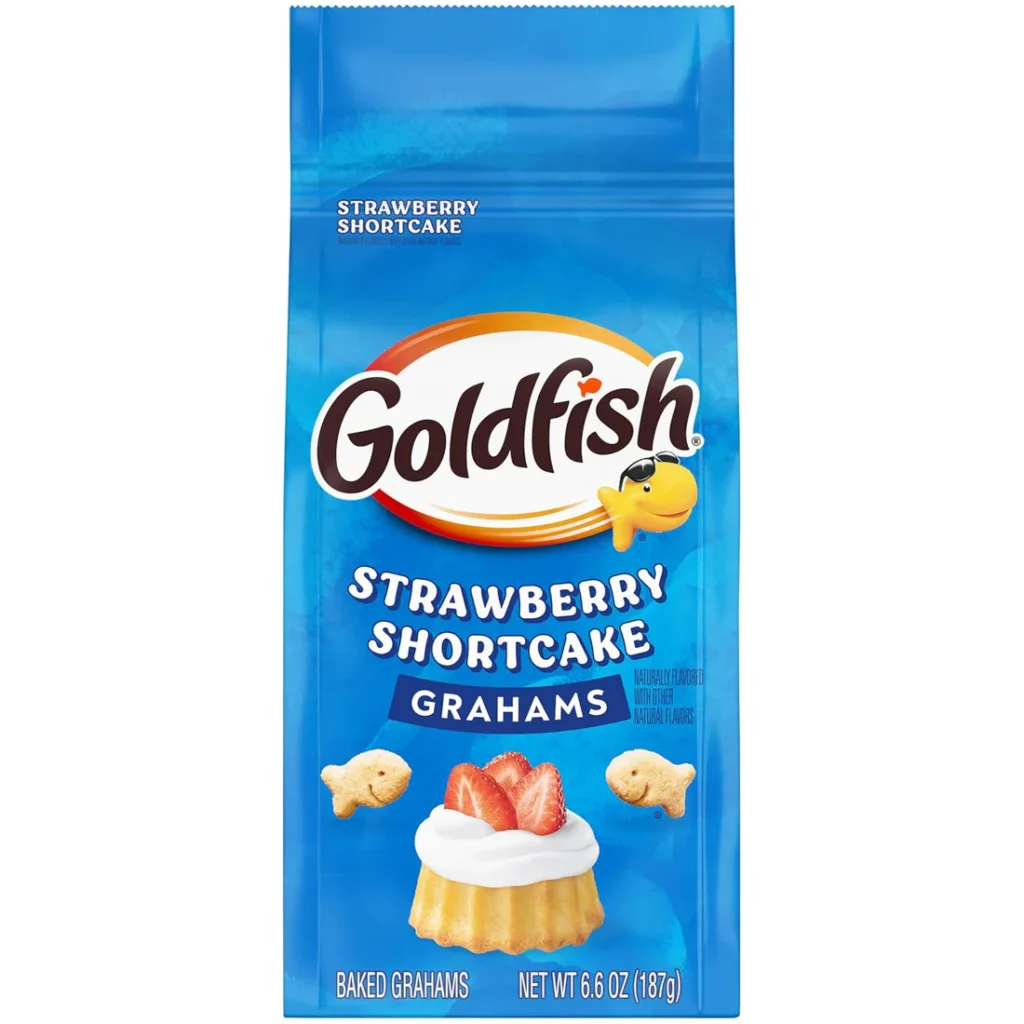
Goldfish Strawberry Shortcake Flavored Grahams Crackers
100 in stock
Are Any Types of Goldfish Crackers Safe?
Some pet owners assume that alternative versions might be safer, but that’s not really the case. Even options like Vegan Goldfish Crackers or those discussed in Are Goldfish Crackers Vegan still contain processed ingredients and high levels of sodium.
Regardless of the variation, these snacks are not designed with dogs in mind and don’t offer any nutritional benefit.
Why Dogs Should Avoid Processed Human Snacks
Dogs are naturally drawn to salty and cheesy flavors, which is why they may beg for Goldfish crackers. However, their digestive systems are very different from ours. Foods that seem harmless to humans can quietly cause issues in dogs over time.
Highly processed snacks often include preservatives, artificial flavorings, and additives that provide no value to your pet’s diet. Feeding these regularly can increase the risk of obesity, digestive problems, and other long-term health concerns.
Related read: Are Goldfish Crackers Healthy
Better Snack Alternatives for Dogs
Instead of sharing processed snacks, it’s always safer to choose foods that are naturally suited for dogs. Fresh, simple options can satisfy their cravings without the risks.
Some safer alternatives include:
- Carrot sticks or cucumber slices
- Apple slices (without seeds)
- Plain, unsalted crackers (occasionally)
- High-quality dog treats made for canine nutrition
These options are not only safer but also provide some nutritional value.
Can Puppies Eat Goldfish Crackers?
Puppies are even more sensitive than adult dogs, which makes Goldfish crackers an even worse choice. Their developing digestive systems cannot handle excess salt or artificial ingredients, and even a small amount can lead to discomfort or health issues.
For young dogs, it’s especially important to stick to a clean, vet-recommended diet.
Risks of Feeding Goldfish Crackers to Dogs
While an occasional accidental bite may not be dangerous, regular feeding can lead to several problems:
- Excess sodium intake and dehydration
- Potential toxicity from onion or garlic powder
- Digestive upset such as vomiting or diarrhea
- Long-term risks like obesity or kidney strain
Related Pet Safety Topics
If you’re exploring what human foods pets can safely eat, you might also find these helpful:
These articles help build a broader understanding of safe and unsafe snacks.
FREQUENTLY ASKED QUESTIONS
Can my dog have one Goldfish cracker?
A single cracker is unlikely to cause harm, but it’s best not to make it a habit.
Are Goldfish crackers toxic to dogs?
They are not always immediately toxic, but certain ingredients can be harmful over time.
What should I do if my dog ate a lot of Goldfish crackers?
Monitor your dog closely for symptoms like vomiting or unusual behavior and contact a vet if needed.
Can dogs eat flavored Goldfish crackers?
No, flavored varieties are more harmful due to added spices and artificial ingredients.
Why do dogs like Goldfish crackers?
Dogs are attracted to the salty, cheesy taste, even though it’s not good for them.
Conclusion
Goldfish crackers may be a fun and convenient snack for humans, but they are not suitable for dogs. With high sodium levels, potentially harmful ingredients, and no real nutritional benefits, they can negatively impact your dog’s health over time.
The safest approach is simple: stick to dog-friendly foods and avoid processed human snacks whenever possible.