
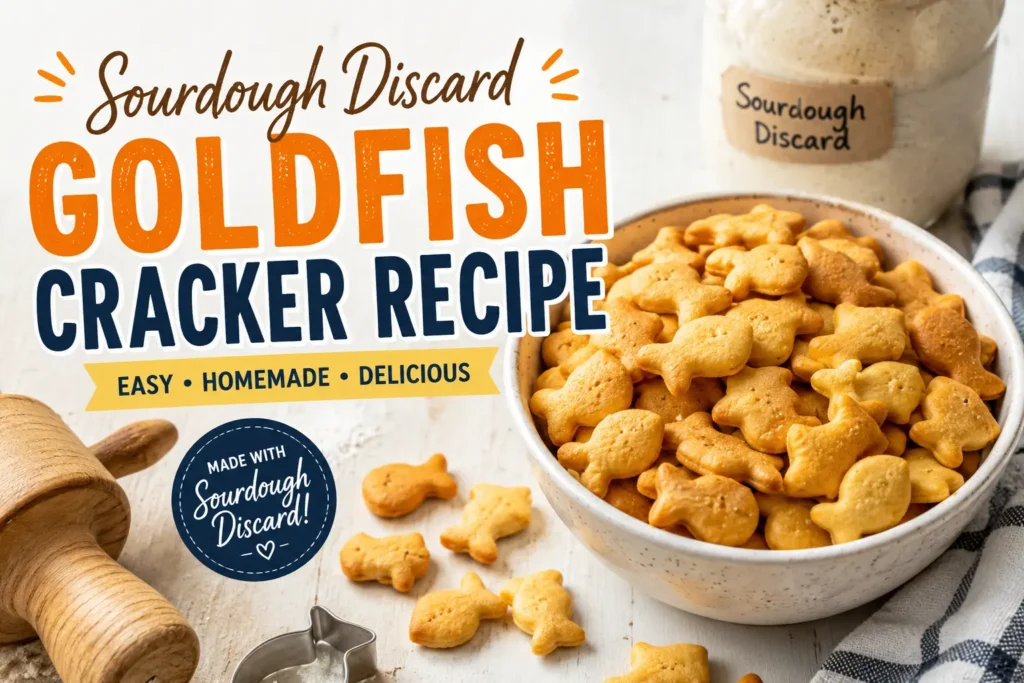
Quick Answer: A sourdough discard Goldfish cracker recipe is a homemade cheese cracker recipe inspired by classic Goldfish Crackers. Instead of tossing your leftover starter, you fold it into a buttery cheddar dough, roll it thin, cut it into small shapes, and bake until crisp. It’s a fun, budget-friendly way to reduce food waste while making a snack the whole family loves.
Table of Contents
- Introduction
- What Is Sourdough Discard?
- Why You’ll Love This Recipe
- Ingredients
- Equipment Needed
- Step-by-Step Recipe
- Common Mistakes to Avoid
- Flavor Variations
- Storage Tips
- Homemade vs Store-Bought Goldfish Crackers
- A Fun Goldfish-Inspired Treat to Try Next
- Expert Baking Tips
- FAQs
Introduction
Sourdough discard recipes have exploded in popularity over the last few years, and it’s easy to see why. Every time you feed a sourdough starter, you end up with a portion you have to remove before adding fresh flour and water. That leftover bit — the discard — used to go straight into the trash. Now home bakers are finding clever ways to use it in pancakes, crackers, muffins, and more, which cuts down on food waste and stretches every bit of that starter you worked so hard to build.
At the same time, homemade Goldfish crackers have become a favorite weekend baking project. They’re small, crunchy, cheesy, and they disappear fast in any house with kids. This sourdough discard Goldfish cracker recipe brings both trends together. You get a crispy, cheddar-flavored cracker with a subtle tang from the discard, made from ingredients you probably already have in your kitchen. It’s a simple sourdough snack recipe that turns “kitchen scraps” into something everyone actually asks for by name.
What Is Sourdough Discard?
Sourdough discard is the portion of a sourdough starter that’s removed before feeding, so the remaining starter doesn’t grow too large or become too sour. Bakers save it because it’s still full of flavor and a little bit of natural fermentation, even though it isn’t active enough to reliably leaven bread on its own.
That mild tang is exactly why discard works so well in a cheese cracker recipe. It adds a subtle sourness that balances the richness of butter and cheddar, giving these crackers a flavor that’s a step above a basic homemade cheese cracker. Unlike active starter, discard doesn’t need to be bubbly or freshly fed. It can even come straight from the fridge, days old, and still work perfectly in this recipe.
The main difference between active starter and discard comes down to leavening power. Active starter is fed and left until it’s bubbly and doubled, ready to lift bread. Discard has weaker yeast activity, so it won’t make dough rise much — which is actually ideal here, since you want flat, crisp crackers, not a puffy dough.
Why You’ll Love This Recipe
These crackers bake up thin and shatteringly crisp, with crunchy edges and a satisfying snap in every bite. The sharp cheddar flavor is front and center, similar to what you’d expect from the classic Goldfish Cracker your kids already love, but with a homemade richness that store-bought versions can’t quite match.
Kids genuinely enjoy helping with this one. The dough is easy to handle, safe to roll and cut with adult supervision, and turning it into little fish shapes feels more like playing than baking. It’s also budget-friendly, since it uses pantry staples and discard you’d otherwise throw away, and it’s a great way to make use of leftover starter without wasting a single ingredient. Once you’ve made the base recipe a couple of times, it’s simple to customize with different cheeses, herbs, or spice blends, so it never gets boring.
Ingredients
The base of this recipe is simple: sourdough discard, sharp cheddar cheese, flour, butter, and salt.
Sourdough discard — About ½ cup, unfed and straight from the fridge is fine. It doesn’t need to be bubbly or recently fed.
Cheddar cheese — 1½ cups, finely shredded. Sharp or extra-sharp cheddar gives the boldest, most “Goldfish-like” flavor. Freshly grated cheese melts and blends into the dough far better than pre-shredded bags, which are coated in anti-caking starch.
Flour — 1¼ cups all-purpose flour. You can swap in white whole wheat flour for a heartier, slightly nuttier cracker.
Butter — 4 tablespoons, cold and cubed. Cold butter helps create that short, crumbly-crisp texture crackers need.
Salt — ½ teaspoon, plus a little extra for sprinkling on top before baking.
Optional seasonings to fold into the dough or sprinkle on top include grated Parmesan for extra savory depth, garlic powder for a rounder flavor, smoked paprika for warmth and color, and finely chopped fresh or dried herbs like thyme or rosemary for a more grown-up cracker.
If you’re out of cheddar, a mix of Colby and Monterey Jack works in a pinch, though the flavor will be milder. For a dairy substitute, a firm plant-based cheddar-style shred can work, though texture will vary by brand.
Equipment Needed
You don’t need anything fancy for this easy sourdough discard recipe. A food processor or a mixing bowl and pastry cutter works for bringing the dough together. You’ll also want a rolling pin, a baking tray lined with parchment paper, and a pizza cutter or sharp knife for cutting crackers into squares. A small fish-shaped cookie cutter is optional but makes the crackers look just like the original Goldfish shape, which kids especially love.
Step-by-Step Recipe
Recipe Summary
| Prep Time | Cook Time | Total Time | Servings | Difficulty |
|---|---|---|---|---|
| 20 minutes | 15 minutes | 1 hour (includes chilling) | About 6 servings | Easy |
1. Prepare the dough. In a food processor, pulse the flour, salt, and cold cubed butter until the mixture looks like coarse sand. Add the shredded cheddar and sourdough discard, then pulse again until the dough comes together into a shaggy ball. If mixing by hand, cut the butter into the flour first, then work in the cheese and discard with a spatula or your hands until it forms a cohesive dough.
2. Chill the dough. Shape the dough into a flat disc, wrap it in plastic, and refrigerate for at least 30 minutes. This step matters more than it seems — chilled dough rolls out more evenly and holds its shape better when cut, which is key for crispy sourdough crackers that bake evenly.
3. Roll to the correct thickness. On a lightly floured surface, roll the dough out to about ⅛ inch thick. This is the sweet spot for crunchy cheese crackers — much thicker and the centers stay soft; much thinner and they can burn before the edges brown.
4. Cut cracker shapes. Use a pizza cutter to slice the dough into small squares, or use a fish-shaped cutter for that classic look. Gather and re-roll scraps once, but avoid re-rolling more than twice, since the dough gets tougher each time.
5. Bake. Arrange crackers on a parchment-lined tray with a little space between each one. Bake at 375°F (190°C) for 12–15 minutes, rotating the tray halfway through, until the edges are golden and the centers no longer look soft.
6. Cool completely. Let the crackers cool fully on the tray. They’ll continue to crisp up as they cool, so don’t judge crispness straight out of the oven.
7. Achieve maximum crispness. If a batch comes out slightly soft in the center, spread the crackers on a tray and return them to a low oven (around 300°F) for 5 extra minutes. This dries them out without over-browning.
Common Mistakes to Avoid
The most common issue bakers run into is dough that’s too sticky to roll. This usually happens when the discard is very wet or the dough wasn’t chilled long enough — a quick fix is an extra 15 minutes in the fridge and a light dusting of flour as you roll. On the flip side, using too much flour while rolling can dry the dough out and make crackers tough instead of tender, so add flour a little at a time.
Rolling the dough too thick is another frequent mistake, leading to crackers that are chewy in the middle instead of crisp throughout. Uneven rolling causes similar problems, where thin edges burn while thicker centers stay underbaked; rolling guides or even two rulers on either side of the dough can help keep thickness consistent. Overbaking will turn crackers bitter and dark, especially at the edges, while underbaking leaves that soft, slightly doughy bite instead of a clean snap — pull a test cracker out and let it cool for a minute to check doneness before removing the whole tray.
Flavor Variations
Once you’ve nailed the basic homemade cheese crackers, it’s easy to switch things up. Stir in extra cheddar for a bolder cheese punch, or add grated Parmesan for a nuttier, saltier edge. For heat, mix in a pinch of cayenne or a spicy seasoning blend. A packet of ranch seasoning folded into the dough gives a tangy, herby flavor kids tend to love, while everything bagel seasoning sprinkled on top before baking adds a savory, crunchy finish.
Smoked paprika brings a warm, slightly smoky flavor and a beautiful golden-red color, and a handful of chopped fresh herbs like rosemary or chives works well for a more adult-friendly cracker to serve with wine or soup. If you want a heartier bite, swap half the all-purpose flour for whole wheat flour — just note the dough may need a splash more liquid, since whole wheat absorbs more moisture.
Storage Tips
Once fully cooled, store crackers in an airtight container at room temperature, where they’ll stay crisp for about a week. If your kitchen is humid, keeping the container in the pantry rather than near the stove helps preserve crunch longer. Refrigeration isn’t necessary and can actually introduce moisture, so it’s best avoided for storage.
For longer storage, freeze baked crackers in a freezer-safe bag for up to three months. Let them come to room temperature before serving, and if they lose a bit of crispness, a few minutes in a low oven will bring it right back. You can also freeze the raw dough disc for up to three months — just thaw it in the fridge overnight before rolling and baking.
Homemade vs Store-Bought Goldfish Crackers
| Category | Homemade | Store-Bought |
|---|---|---|
| Ingredients | Simple, recognizable pantry staples | Longer ingredient list with preservatives |
| Flavor | Rich, sharp cheddar with a subtle tang | Consistent, mild cheddar flavor |
| Texture | Crisp, slightly rustic edges | Uniform, machine-cut shape |
| Freshness | Best within a week of baking | Long shelf life from packaging |
| Customization | Fully adjustable seasonings and shapes | Fixed flavors only |
| Cost | Lower cost per batch using pantry staples | Higher cost per ounce over time |
| Storage | Airtight container, up to 1 week | Sealed bag, months on the shelf |
| Nutrition | Control over salt, fat, and additives | Standardized nutrition label |
If you’re curious how your homemade version stacks up nutritionally, it’s worth comparing against the nutrition facts of Goldfish Crackers before deciding which one fits your family’s snacking habits.
A Fun Goldfish-Inspired Treat to Try Next
If you’re a fan of homemade Goldfish-style crackers, you might also enjoy trying the limited-edition Strawberry Shortcake Goldfish Graham Crackers for a completely different sweet twist. It’s a fun contrast to the savory cheddar crackers you just baked, and a good excuse to keep the Goldfish theme going in your snack rotation.
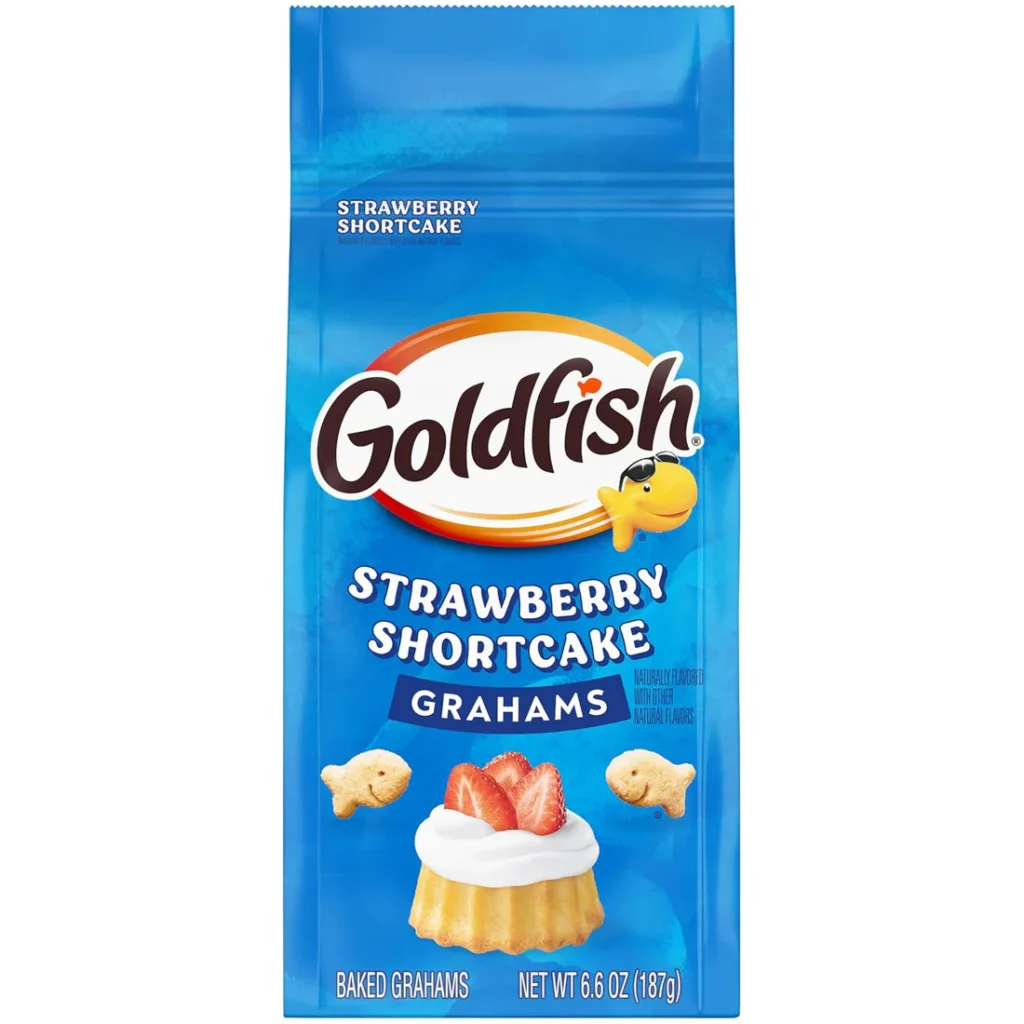
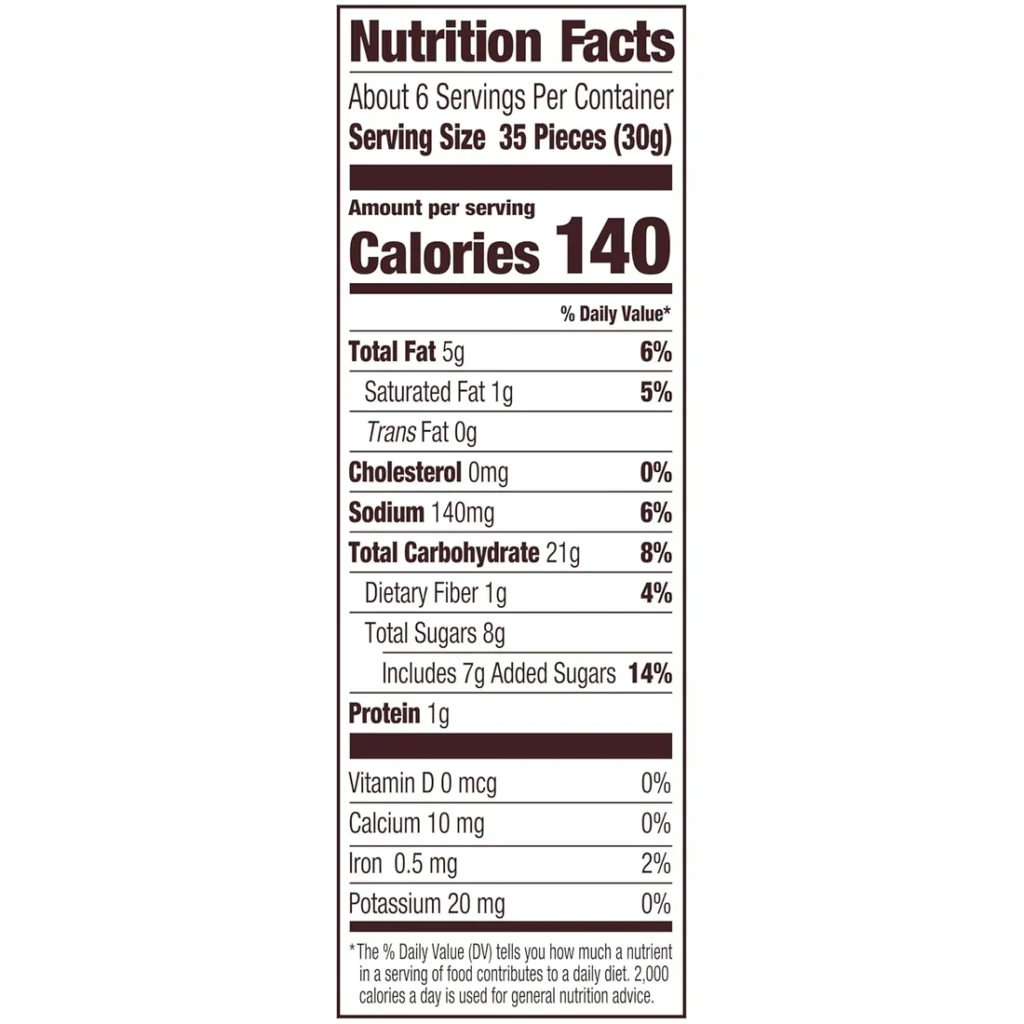
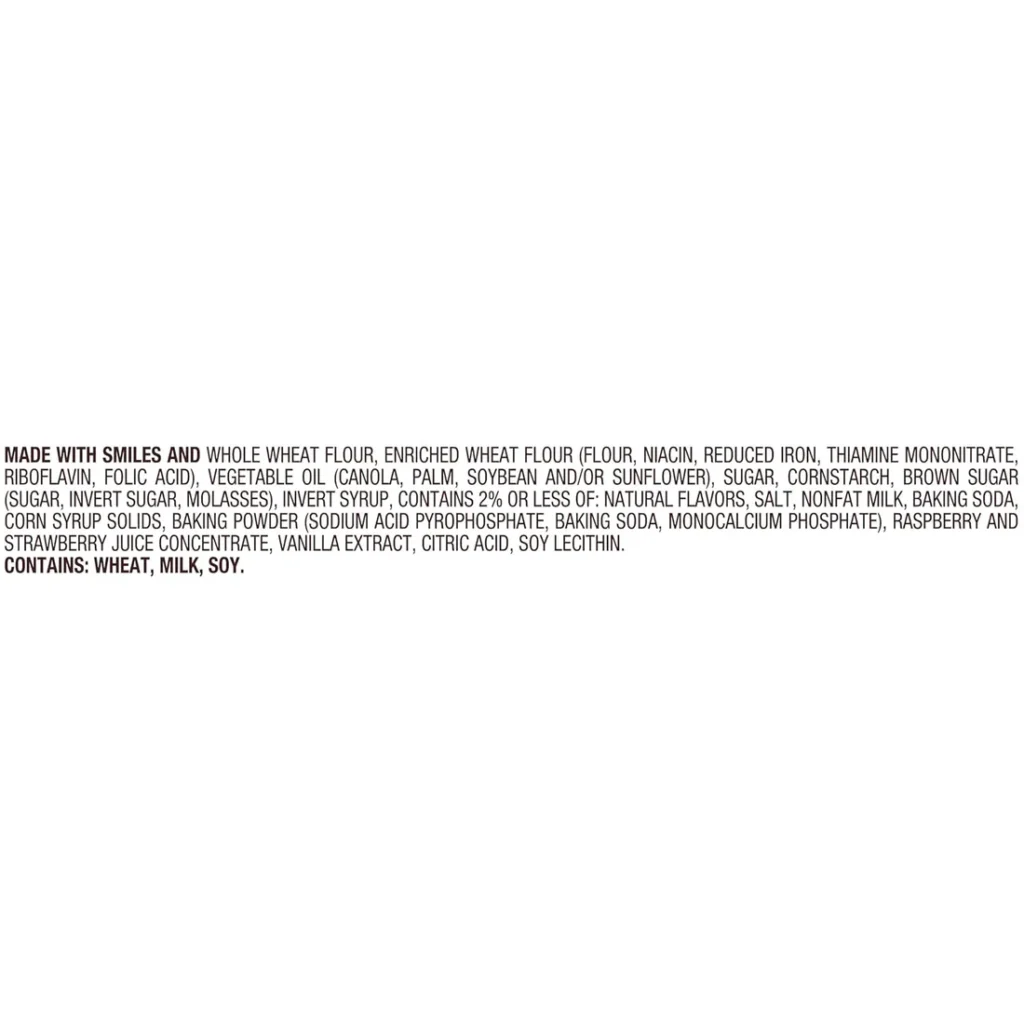
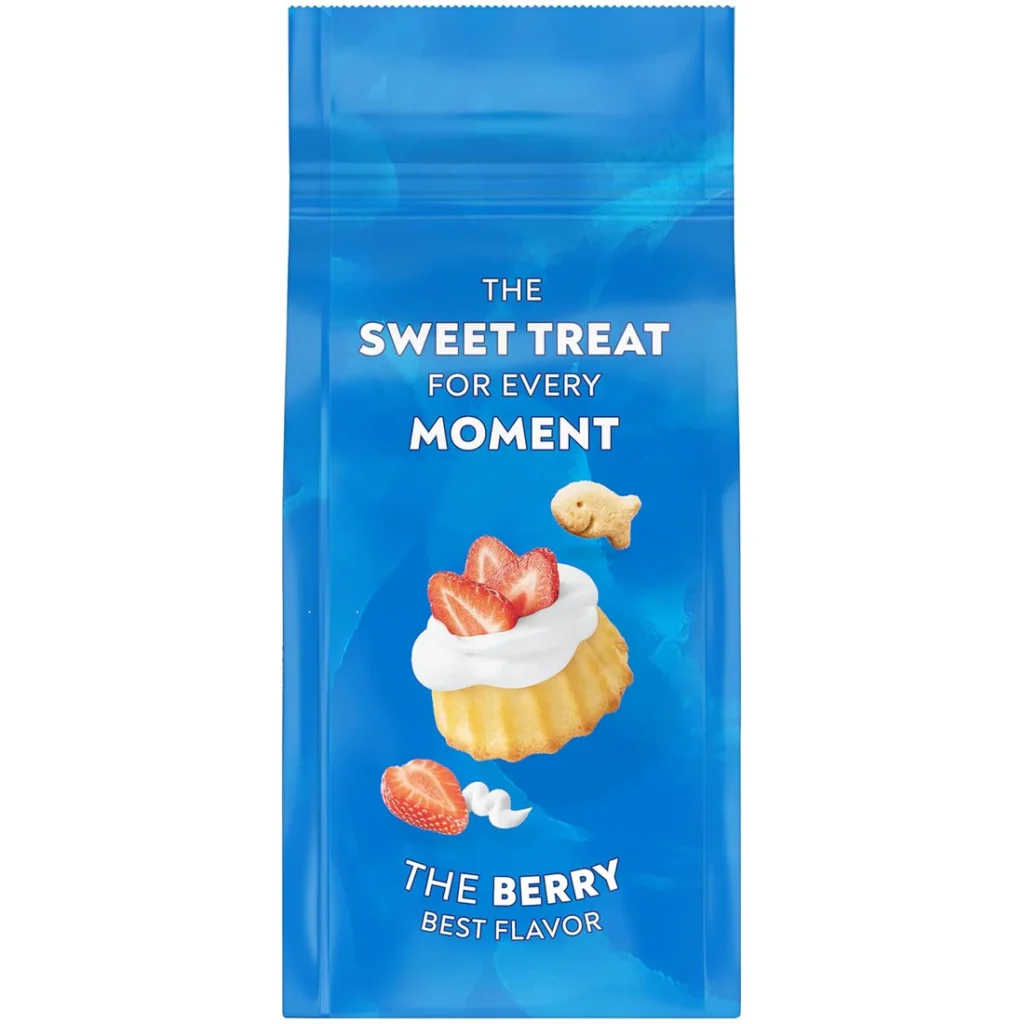
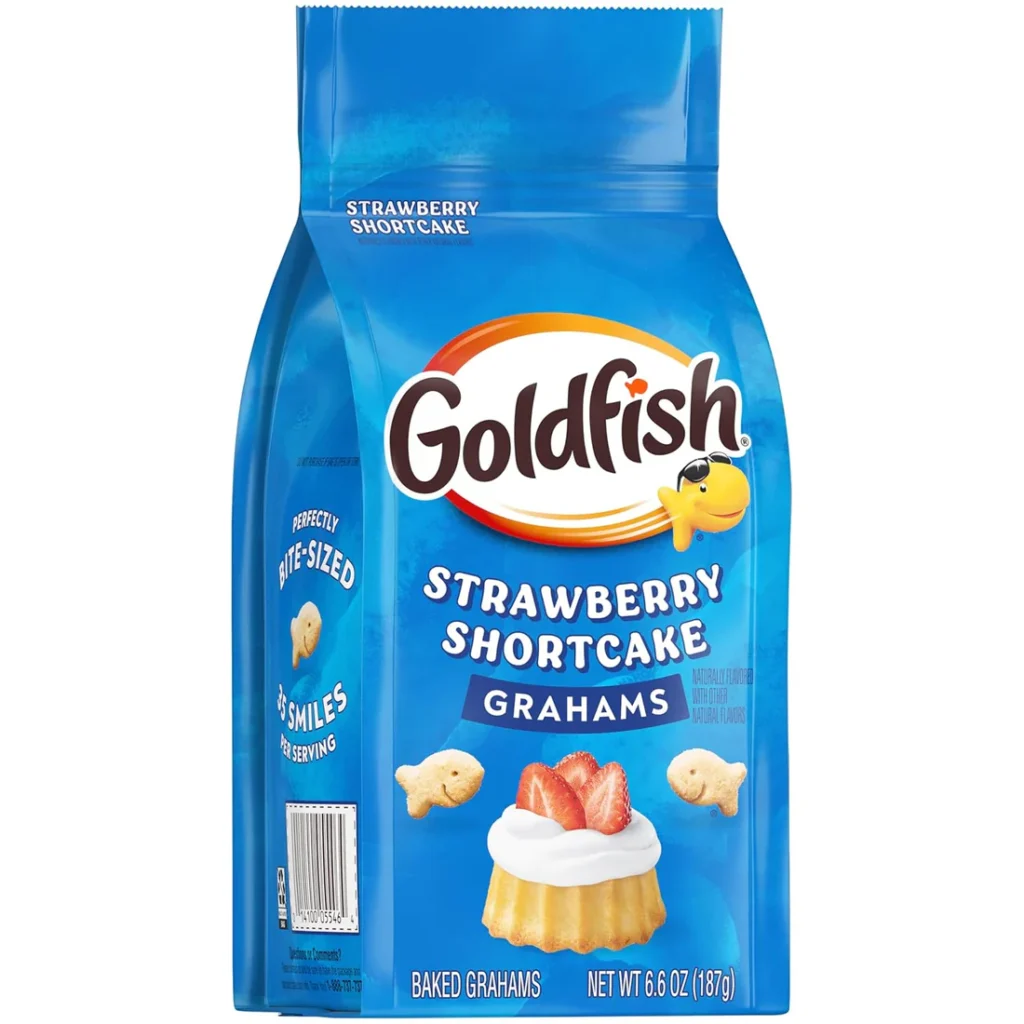
Goldfish Strawberry Shortcake Flavored Grahams Crackers
100 in stock
While you’re exploring the Goldfish world, snack lovers and collectors alike might get a kick out of the rare Goldfish cracker guide, or even the Goldfish ornament guide if you’re the type who decorates for every holiday with a snack theme. Sports fans might also get a laugh out of the Goldfish commercial basketball player, and if Halloween is coming up, these Goldfish Halloween costume ideas are worth a look for the family.
Expert Baking Tips
Roll dough evenly by working from the center outward and rotating it a quarter turn every few passes, which helps avoid the thick-center, thin-edge problem that leads to uneven baking. For the crispest possible cracker, resist the urge to pull the tray early — a slightly longer bake at a moderate temperature dries the crackers through without burning them, which is more reliable than a hot, fast bake.
Cheese selection matters more than people expect. Sharp or extra-sharp cheddar gives the boldest flavor, while a small amount of Parmesan mixed in adds saltiness and helps crackers brown more evenly. Baking at 375°F is the sweet spot for most home ovens; hotter and the edges can scorch before the centers finish, cooler and crackers take longer without gaining much extra crispness. To prevent burning, always rotate the tray halfway through baking and keep an eye on the last few minutes, since cheese crackers can go from golden to dark quickly.
For kid-friendly shapes, a small fish-shaped cutter is worth the few dollars it costs, since it turns baking into a game for little hands. If you’re making a big batch, work in stages: roll and cut one tray while another bakes, and let each finished tray cool completely before stacking, so trapped steam doesn’t soften your freshly baked, crunchy cheese crackers.
While your crackers are in the oven, it’s also worth checking whether Goldfish Crackers are bad for dogs if you have a pet who likes to beg for scraps, or whether Goldfish-style snacks fit a vegetarian diet by reading up on are Goldfish Crackers vegetarian. If you enjoy bold flavors, the Goldfish Crackers Old Bay flavor is another fun one to seek out for comparison, and it’s always good to know how long Goldfish Crackers are good for once a box is opened.
Frequently Asked Questions
Can I use unfed sourdough discard?
Yes. Unfed discard straight from the fridge works perfectly for this recipe. You don’t need it to be bubbly or recently refreshed, since these crackers don’t rely on rising.
How long do homemade Goldfish crackers last?
Stored in an airtight container at room temperature, they stay fresh and crisp for about a week. Freezing extends that to roughly three months.
Why aren’t my crackers crispy?
This is usually caused by rolling the dough too thick, underbaking, or storing crackers before they’ve fully cooled. Try rolling thinner and giving them a few extra minutes in the oven, checking every minute or two near the end.
Can I freeze the dough?
Yes. Wrap the dough disc tightly and freeze for up to three months. Thaw overnight in the fridge before rolling and baking as usual.
What cheese works best?
Sharp or extra-sharp cheddar gives the most Goldfish-like flavor. Freshly shredded cheese blends into the dough more smoothly than pre-shredded bags.
Can I make them gluten-free?
Yes, a 1:1 gluten-free baking flour blend can generally be substituted, though the texture may be slightly more delicate. Chilling the dough well helps it hold together during rolling and cutting.
Can kids help make this recipe?
Definitely. Mixing the dough, cutting shapes with a fish-shaped cutter, and arranging crackers on the tray are all great tasks for kids with adult supervision near the oven.
Are homemade Goldfish crackers healthier?
They can be, since you control the salt, fat, and ingredients directly, without the preservatives found in some packaged snacks. That said, they’re still a treat best enjoyed in moderation.
How thin should I roll the dough?
Aim for about ⅛ inch thick. This thickness bakes evenly, giving you a crisp texture throughout without burning the edges.
Can I make them without a fish-shaped cutter?
Yes. A pizza cutter or knife works fine to cut simple squares or rectangles, which bake just as crisp and taste identical to the fish-shaped version.