
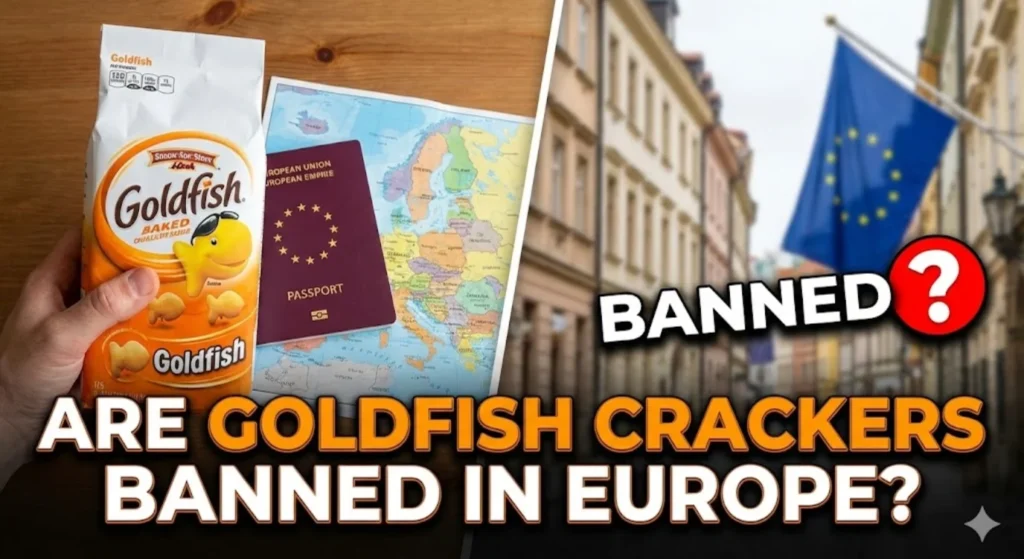
Goldfish Crackers have long been a beloved snack for kids and adults alike. With their cute fish shapes, cheesy flavor, and convenient packaging, they have become a staple in lunchboxes and snack cabinets around the world. But when it comes to Europe, you may have heard rumors that Goldfish Crackers are banned. So, what is the truth behind this claim? In this blog, we’ll explore the reasons, regulations, and alternatives for enjoying these cheesy snacks on European soil.
What Are Goldfish Crackers?
Goldfish Crackers are small, baked snack crackers shaped like little fish. They are usually flavored with cheese or cheddar, though there are other variations including whole grain and flavored versions. Originally introduced by Pepperidge Farm in the United States in 1962, they have grown in popularity worldwide.
The main ingredients typically include:
- Enriched wheat flour
- Cheddar cheese or cheese powder
- Vegetable oils
- Salt
- Natural flavors
While the ingredient list seems harmless, certain additives used in U.S. versions of Goldfish have raised eyebrows in Europe.
Are Goldfish Crackers Actually Banned in Europe?
The short answer: not entirely banned, but heavily regulated.
European Union (EU) regulations on food additives and coloring are much stricter than in the United States. Some artificial colors, preservatives, and flavor enhancers allowed in the U.S. are restricted or banned in the EU.
For example:
- Yellow #5 (Tartrazine) and Yellow #6 (Sunset Yellow FCF) are common in U.S. snack foods but require warning labels in Europe due to potential behavioral effects on children.
- Artificial flavors and certain preservatives are limited or prohibited under EU food safety laws.
Since many Goldfish Crackers in the U.S. contain these additives, the exact U.S. version may not be sold as-is in Europe. European versions often use natural colorings like paprika extract or annatto and replace some additives with approved alternatives.
So while Goldfish are not fully banned, they must comply with EU regulations, and that often changes the flavor or color of the snack.
Why Some People Think Goldfish Are Banned
The misconception about a ban comes from:
- Ingredient differences: European regulators prioritize natural ingredients and may prohibit certain artificial dyes.
- Marketing restrictions: Some U.S. products marketed to children are subject to tighter scrutiny in Europe.
- Labeling laws: Products that contain artificial colors must include warnings, which may make them less appealing or less available.
As a result, when U.S.-based snack enthusiasts hear that “Goldfish Crackers aren’t in Europe,” it’s often because the exact U.S. formula isn’t imported, not because the snack itself is banned.
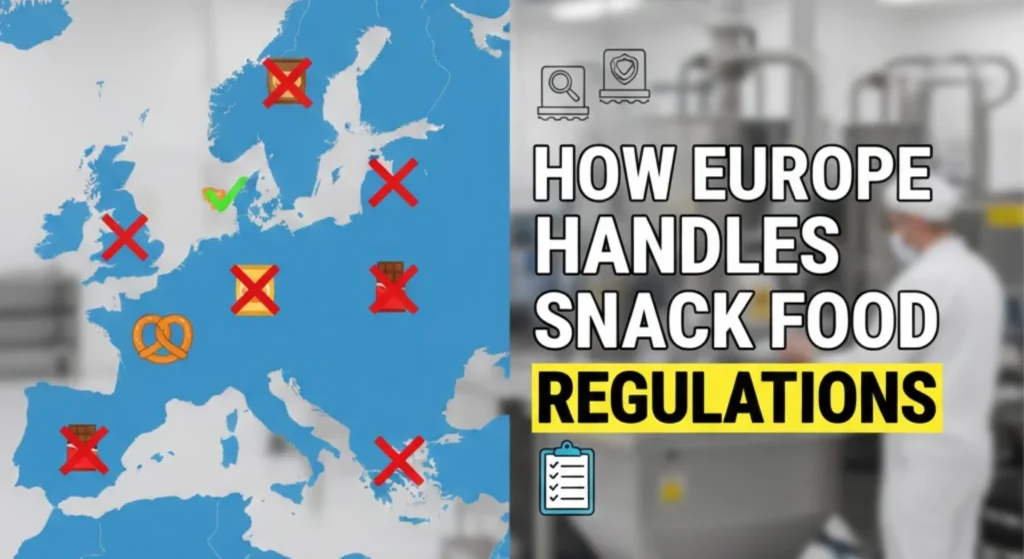
How Europe Handles Snack Food Regulations
The European Food Safety Authority (EFSA) is responsible for evaluating food additives, colorings, and preservatives in the EU. Their primary goal is consumer safety, especially for children. Some key regulations include:
- Additive approval: Only additives on the EU-approved list may be used in foods.
- Labeling transparency: Artificial colors must include warnings about potential hyperactivity in children.
- Import restrictions: Foods that don’t comply with EU rules may not be sold, even if they are popular elsewhere.
This rigorous regulatory approach ensures that snacks like Goldfish Crackers are safe and clearly labeled, even if some ingredients differ from the U.S. versions.
European Versions of Goldfish Crackers
If you live in Europe or plan to travel, you can still enjoy Goldfish Crackers, but expect:
- Slightly different flavors due to natural ingredients replacing some artificial ones.
- Color differences, as European versions may use paprika or turmeric instead of artificial yellow dyes.
- Packaging in compliance with EU labeling laws, which may include allergy warnings and ingredient details.
Some European grocery chains import U.S.-style snacks but adapt them to meet these rules, so it’s possible to find Goldfish Crackers, just not identical to the American version.

Are There Health Concerns With Goldfish Crackers?
Like many snack foods, Goldfish Crackers are generally safe in moderation, but some points are worth noting:
- Sodium content: Can be high for children, so portion control is important.
- Processed ingredients: U.S. versions may contain artificial flavors, while European versions lean toward natural alternatives.
- Allergens: Wheat and dairy are present, so not suitable for those with gluten or lactose intolerance unless labeled otherwise.
The EU’s stricter regulations mean that children consuming Goldfish in Europe are less likely to be exposed to certain artificial additives.
Alternatives to Goldfish Crackers
If European regulations make traditional Goldfish difficult to find, consider these alternatives:
- European cheddar-flavored baked crackers – similar texture and flavor without banned additives.
- Homemade Goldfish-style crackers – easy to make with flour, cheese, and paprika for coloring.
- Organic or natural snack brands – many offer fish-shaped baked crackers with no artificial colors.
These alternatives provide a similar fun and cheesy snacking experience while complying with European food laws.
Conclusion
So, are Goldfish Crackers banned in Europe? Not entirely. The confusion stems from differences in food regulations, which require certain ingredients to be replaced or reformulated. European versions of Goldfish exist, often with natural colorings and fewer additives, ensuring they meet EU safety standards.
For parents, snack lovers, and travelers, the takeaway is:
- Goldfish Crackers are available in Europe, but formulas may differ from U.S. versions.
- Always check ingredient labels if avoiding artificial additives or allergens.
- There are plenty of safe, tasty alternatives that mimic the iconic snack’s fun fish shape and cheesy flavor.
In short, Goldfish Crackers are not illegal—they’re just a little smarter and healthier in Europe. Treat yourself (and your kids) to this classic snack, wherever you are, while staying mindful of local food regulations.
FAQs About Goldfish Crackers in Europe
No, Goldfish Crackers are not completely banned in Europe. The snack is available, but some ingredients used in U.S. versions, such as artificial colors and certain preservatives, are restricted under EU regulations. European versions often use natural colorings and approved additives, making them safe and compliant with local laws.
The exact U.S. formula may not be imported because it contains ingredients not approved in the EU. European regulations require snacks to meet strict safety and labeling standards, which means some artificial dyes or flavorings are replaced with natural alternatives.
In many cases, yes. European Goldfish Crackers often use natural colorings like paprika or turmeric instead of artificial dyes, and they follow stricter additive regulations. This reduces exposure to certain preservatives and potential behavioral effects in children.
Yes, children can safely enjoy Goldfish Crackers in Europe. EU regulations ensure that ingredients, additives, and labeling meet strict safety standards. However, like all snack foods, they should be eaten in moderation due to sodium and processed content.
Yes! There are several alternatives, including European cheddar-flavored baked crackers, organic fish-shaped snacks, or homemade versions made with natural ingredients. These alternatives provide a similar cheesy, crunchy experience while complying with European food safety standards.