
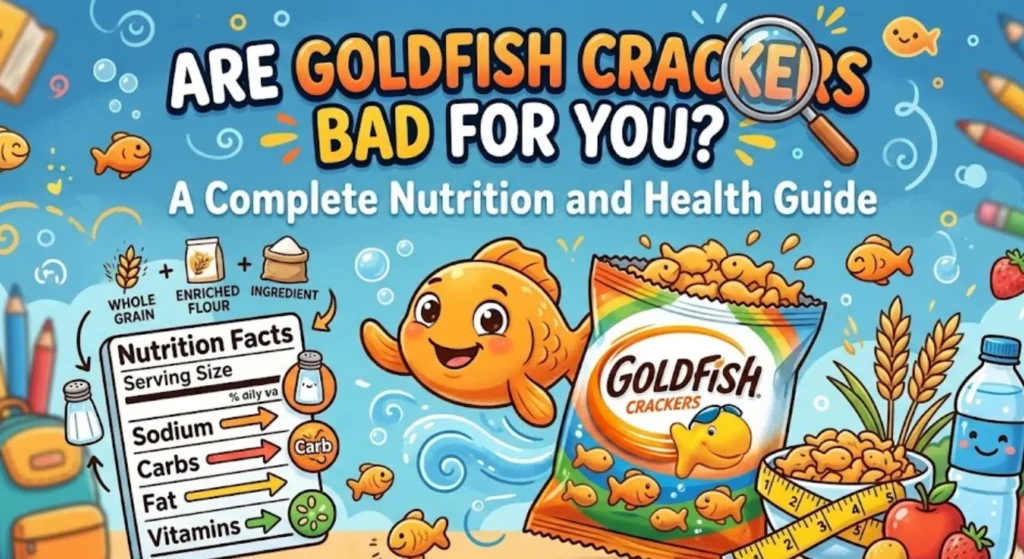
Goldfish Crackers have been a favorite snack for generations, with their iconic fish shape, cheesy flavor, and addictive crunch. From school lunchboxes to snack bowls during movie nights, it’s hard to find someone who hasn’t enjoyed these tiny crackers. But behind the fun and convenience, many parents and health-conscious adults ask: are Goldfish Crackers bad for you?
In this comprehensive guide, we’ll explore the nutritional profile, potential health concerns, flavor varieties, history, and tips for enjoying Goldfish Crackers responsibly. We’ll also link to related topics from our blog to create a full content cluster, helping you make informed decisions about these popular snacks.
The Origins of Goldfish Crackers
Understanding the origins of Goldfish Crackers gives context to their enduring popularity. Goldfish Crackers were invented in 1962 by Pepperidge Farm, originally as a baked snack that would appeal to both children and adults. The unique fish shape and cheddar flavor quickly became iconic, and today, Goldfish Crackers are sold worldwide in countless flavors, from classic cheddar to whimsical options like Goldfish Shortcake Grahams.
You can read more about their invention in our blog post: Goldfish Crackers Invented. The story behind these crackers highlights why they became more than just a snack—they became a cultural icon, inspiring blogs like Goldfish Crackers Took Over the World.
Goldfish Crackers Ingredients: What’s Inside
Before diving into health effects, it’s crucial to understand the ingredients. Standard Goldfish Crackers contain:
- Enriched wheat flour
- Vegetable oils (canola, sunflower)
- Cheddar cheese
- Salt and seasonings
- Sometimes artificial colors and flavors
Some varieties are vegan or egg-free, while others contain dairy and other additives. If you want a detailed breakdown, see our blog posts Goldfish Crackers Ingredients and Are Goldfish Crackers Vegan.
The inclusion of refined flour, oils, and salt makes them convenient and tasty but also contributes to potential health concerns if consumed in excess
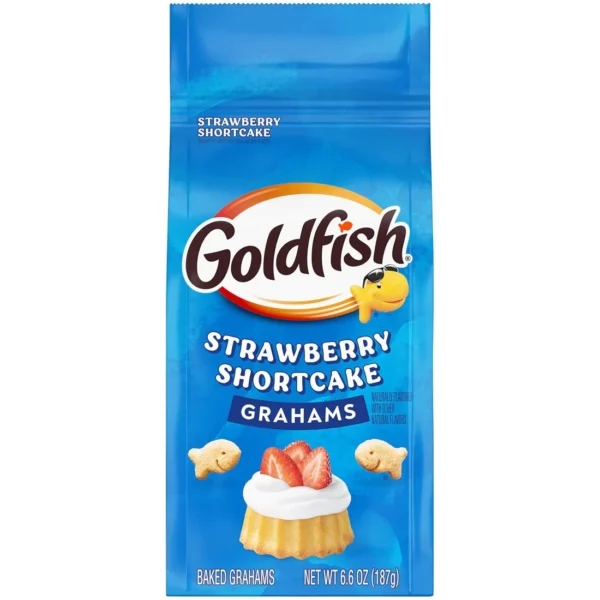
Goldfish Grahams Strawberry Shortcake Flavored Snack Crackers
50 in stock
Goldfish Crackers Nutritional Profile
A standard serving (about 55g or 1.5 oz) of Goldfish Crackers provides roughly:
- Calories: 250
- Total Fat: 12g
- Saturated Fat: 2g
- Sodium: 390mg
- Carbohydrates: 28g
- Protein: 5g
While these numbers aren’t extreme for an occasional snack, the high sodium content and refined carbohydrates are important to consider, especially for children or anyone monitoring their blood pressure.
For comparison, other popular snacks, like popcorn or whole-grain crackers, often contain less sodium and more fiber. You can read more in our Healthy Snacks for Kids article, which also includes ideas for balanced snacking.
Are Goldfish Crackers Bad for Kids?
Parents often ask whether these crackers are safe for children. Here are some considerations:
- Sodium Concerns: A single serving contains nearly 400mg of sodium. Children’s daily recommended sodium intake is 1,500–1,900mg depending on age, meaning a single snack can contribute significantly.
- Low Nutritional Value: While tasty, Goldfish Crackers don’t provide substantial vitamins or minerals.
- Additives: Some flavors contain artificial colors or preservatives that may affect sensitive children.
That said, moderation is key. Small portions can be part of a balanced diet. For creative ways to incorporate snacks into healthy meals, check out our Kids’ Dessert Recipes.
Health Considerations for Adults
Adults often assume that “kids’ snacks” are harmless, but excessive consumption of Goldfish Crackers can contribute to:
- High sodium intake, affecting blood pressure
- Excess calories, leading to weight gain
- Refined carbs, which may spike blood sugar levels
While enjoying Goldfish Crackers occasionally is fine, relying on them as a primary snack source is not recommended. For healthier alternatives, see our Healthy Snacks for Kids and Goldfish Cracker Recipe posts for inspiration.
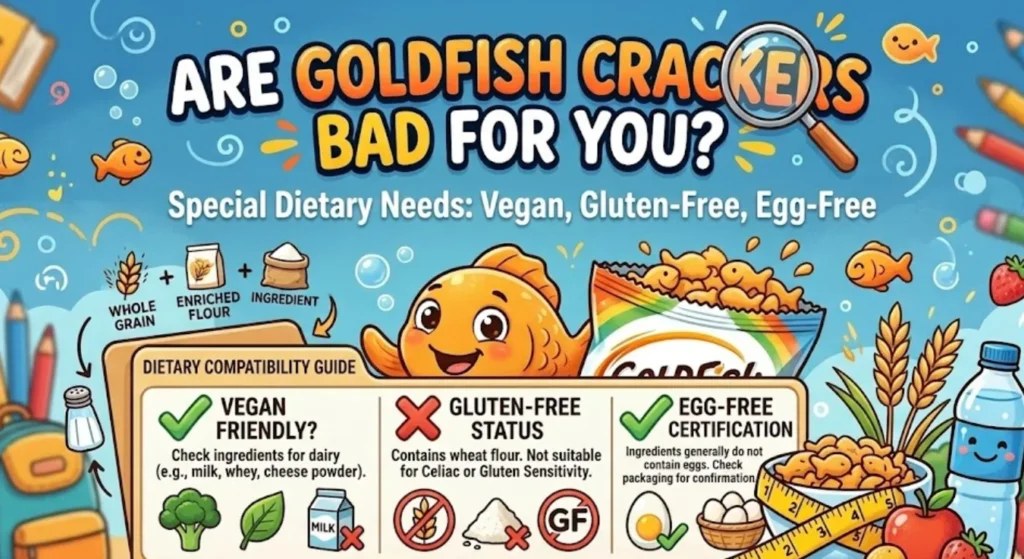
Special Dietary Needs: Vegan, Gluten-Free, Egg-Free
Goldfish Crackers have options for specific dietary needs:
- Vegan Goldfish: Some flavors are free from dairy and animal products. See Are Goldfish Crackers Vegan?.
- Gluten-Free Options: Most Goldfish are not gluten-free, but a few alternatives exist. Learn more in Are Goldfish Crackers Gluten Free.
- Egg-Free: Generally safe for those avoiding eggs. See Do Goldfish Crackers Have Eggs.
Understanding these options is crucial for families with dietary restrictions.
Popular Flavors and Varieties
Goldfish Crackers come in dozens of flavors. The classic cheddar is the most iconic, but there are variations like:
- Goldfish Shortcake Grahams
- Parmesan
- Pretzel
- Flavor Blasted varieties
Each flavor has slightly different nutritional content, which is important for those monitoring sodium or calorie intake. Read more in Goldfish Crackers Flavors.
Eating Goldfish Crackers the Right Way
Many people unintentionally overeat Goldfish Crackers because they are small, crunchy, and addictive. Our post Eating Goldfish Crackers Wrong highlights common mistakes and practical tips:
- Measure portions instead of eating straight from the bag
- Pair with protein or fruit to increase satiety
- Limit daily consumption to avoid excessive sodium
Goldfish Crackers Around the World
Goldfish Crackers have even been controversial internationally. Some countries considered certain ingredients unsafe, leading to Goldfish Crackers Banned in Europe discussions. These debates highlight the importance of understanding ingredients and consuming snacks responsibly.
DIY and Homemade Goldfish Crackers
If you’re concerned about ingredients, making Goldfish Crackers at home is an option. Our Goldfish Cracker Recipe provides a step-by-step guide to bake your own crackers with cleaner ingredients, reduced sodium, and customizable flavors.
Goldfish Crackers and Pets
Pet owners often wonder if cats or dogs can enjoy Goldfish Crackers:
- Cats: Can Cats Eat Goldfish Crackers explains that the high sodium and dairy content make them unsafe.
- Dogs: Can Dogs Eat Goldfish Crackers also warns against feeding them to dogs.
Even small pieces should only be occasional treats, if at all.
Historical Fun Facts
- Goldfish Crackers were first marketed as a healthier alternative to fried snacks.
- They quickly became part of pop culture, inspiring flavors like Shortcake Grahams.
- Over the years, Goldfish Crackers have expanded globally, appearing in numerous countries and snack variations.
You can learn more in our posts When Did Goldfish Crackers Come Out and Who Made Goldfish.
Tips for Responsible Snacking
- Moderation is Key: Enjoy Goldfish Crackers occasionally, not daily.
- Balance: Pair with fruits, vegetables, or protein for a more complete snack.
- Experiment: Try DIY recipes or reduced-sodium options.
By following these guidelines, you can enjoy the cheesy crunch without negatively affecting your or your child’s health.
FAQs
In moderation, no. Frequent or large portions may cause health issues due to sodium and refined carbs.
Occasionally is fine, but daily consumption is not recommended.
Yes. Check our Vegan Goldfish Crackers and Gluten-Free posts for details.
No, they are not suitable for cats or dogs.
Stick to small portions, pair with nutrient-rich foods, or make homemade crackers.
Conclusion
Goldfish Crackers are more than just a snack—they’re a cultural icon with a long history and many varieties. While they’re not inherently “bad,” their high sodium, refined carbs, and low nutrient density mean they should be consumed in moderation. By understanding their ingredients, flavors, and health effects, and connecting your choices with related blogs like Healthy Snacks for Kids or Goldfish Cracker Recipe, you can enjoy them safely and responsibly.
Goldfish Crackers can fit into a balanced lifestyle when paired with healthier foods, controlled portions, and mindful snacking. They remain a fun, convenient treat that families can enjoy together—without compromising health.