You’re at the grocery store, eyeing a bag of those fun-shaped Goldfish crackers. Your kids love them, but if you’re Muslim, one question pops up fast—are Goldfish crackers halal? Pepperidge Farm’s Goldfish have been a snack staple for decades, with over 2 billion servings sold each year in the US alone. As more people seek halal options, this snack sparks real curiosity. Let’s break it down step by step to help you decide.
Understanding Halal Compliance in Packaged Foods
What Defines Halal Food Standards?
Halal means food that’s okay under Islamic rules. It bans pork, alcohol, and meat not slaughtered right. Think of it like a clear line: no pigs or booze, and animals must face Mecca during the cut.
Gelatin from non-halal sources counts as a no-go too. Enzymes from animals can sneak in and make things tricky. These rules come from the Quran and keep faith strong.
The Importance of Ingredient Scrutiny
Just reading the label won’t always cut it. Hidden bits like flavor carriers might come from animals. You need to dig deeper to stay safe. Goldfish Crackers Ingredients
Packaged snacks often use shortcuts in listings. “Natural flavors” hide secrets. Without checks, a quick bite could break your rules. Goldfish Crackers Flavors
Muslims make up 1.8 billion people worldwide, so brands face pressure. Still, not every product spells it out.
Deconstructing the Goldfish Cracker Ingredient List
Analyzing Primary Components: Flour, Oil, and Salt
Goldfish start simple: wheat flour, sunflower oil, and salt. Flour comes from plants, so that’s fine for halal. Oil is veggie-based, no animal fats here.
Salt adds crunch without issues. These basics form the base for all flavors. No red flags in the main mix.
Pepperidge Farm sources from standard suppliers. They keep things plant-focused for cost. You can trust these parts alone.
The Role of “Natural and Artificial Flavors”
Goldfish Crackers Flavors are the gray area. “Natural and artificial flavors” cover a lot. They might use alcohol to dissolve scents or animal extracts for taste.
Think cheese flavor: It could pull from dairy processed with animal enzymes. Manufacturers don’t list sources unless pushed. This vagueness leaves room for doubt.
In the US, labels follow FDA rules, not full disclosure. You wonder: Is that cheddar hint from a halal spot?
Checking for Problematic Additives (E-Numbers and Emulsifiers)
Some varieties pack whey from milk. Whey sounds safe, but processing might involve rennet from pigs or cows. Rennet helps cheese set, and not all is halal.
E-numbers like E471 (mono- and diglycerides) can come from animal fats. Goldfish cheddar lists yeast extract, which is okay, but watch colors like annatto—usually plant-based but check.
Enzymes in cheese flavors raise flags. Pizza Goldfish has tomato powder, fine, but parmesan bits might use animal rennet. Always scan the back.
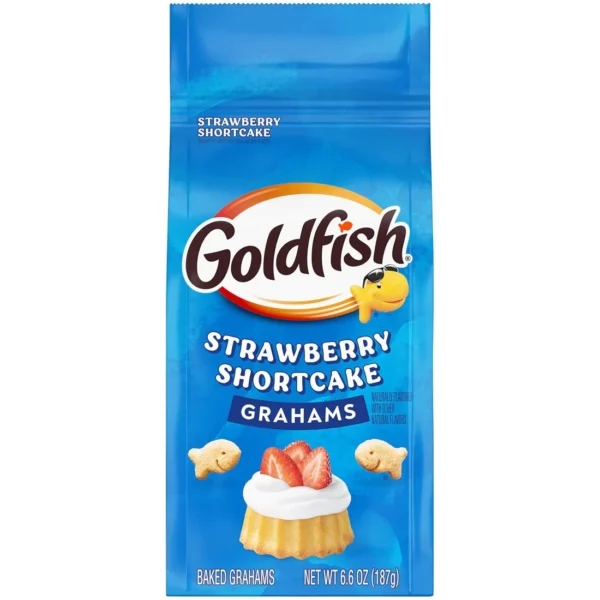
Goldfish Grahams Strawberry Shortcake Flavored Snack Crackers
50 in stock
Official Stance and Certification Status
Pepperidge Farm’s Public Statements (If Available)
Pepperidge Farm, owned by Campbell Soup Company, doesn’t claim halal for Goldfish in the US. Their site lists ingredients but skips certification talk. No press releases confirm halal sourcing.
Campbell focuses on general allergens, not religious diets. Emails to their team get stock replies about no pork or alcohol. But they dodge flavor details.
This silence means no green light. Without proof, assume caution.
Examining Third-Party Halal Certification
Groups like IFANCA or the Halal Monitoring Authority check products. They test factories and ingredients. Goldfish lacks their logo on US bags.
No certification? You handle the work. Look for seals from trusted bodies. In 2025, halal certified snacks grew 10% yearly, per market reports.
DIY checks help, but pros make it sure.
The Difference Between “Halal-Friendly” and “Certified Halal”
Halal-friendly means no obvious pork or booze. Certified halal goes further: Audits ensure every step fits rules. Goldfish might seem friendly—veggie base—but lacks the stamp.
Kosher tags overlap, banning pork too. But kosher allows alcohol in some cases, unlike halal. Veggie kosher doesn’t cover gelatin sources.
Don’t mix them up. Certified beats friendly every time. Healthy Snacks for Kids
Regional Variations and Product Lines
Goldfish Varieties and Ingredient Divergence
Original Goldfish stick to flour, oil, salt, and basic flavors. No cheese, so fewer worries. It’s mostly plant-powered.
Cheddar packs real cheese powder. That whey and enzymes? Questionable. Pretzel uses baking soda, safe, but watch the seasoning.
Pizza flavor has herbs and cheese hints. Parmesan often hides animal rennet. Compare labels: Original wins for simplicity.
- Original: Safest bet, all plants.
- Cheddar: Dairy risks high.
- Pretzel: Low issue, but flavors unclear.
- Colors: Fun shapes, but dyes are synthetic, usually fine.
International Markets vs. US Production
US Goldfish skip halal tags. In Malaysia or the UAE, versions might carry certification. High Muslim crowds push brands there.
For example, some Asian packs list no animal derivatives. US factories follow local rules only. Travel? Check the pack.
This split confuses expats. Stick to certified imports if unsure.
Actionable Steps for Halal Consumers
How to Verify Goldfish Halal Status Independently
Grab your phone and call Pepperidge Farm at 1-888-220-2447. Ask: “Do natural flavors use alcohol or animal sources?” Email consumerrelations@campbells.com with batch details.
Snap a label photo and send it. Push for enzyme origins in cheese. Track replies in a note app.
Join forums like Halal Food Guide on Reddit. Users share updates. This keeps you ahead.
Identifying Safe Alternatives
Try Annie’s Organic Bunny Grahams—certified halal in many spots. Or Quaker’s rice cakes, plain and simple.
For cheese vibes, grab halal cheddar puffs from brands like Halal Bites. They’re crunchy and safe.
Shop at stores like Whole Foods for verified options. Apps like Scan Halal scan barcodes fast. These swaps keep snacking fun.
FREQUENTLY ASKED QUESTIONS
Answer: Goldfish Crackers are not officially halal certified, and their halal status is uncertain. While some ingredients like wheat flour and vegetable oils are halal-friendly, flavorings, cheese enzymes, and additives may come from non-halal sources. Muslims seeking strict halal compliance should check for certified alternatives.
Answer: Ingredients that may be non-halal include:
Cheese and whey processed with animal rennet
Certain flavorings or natural/artificial flavors
Mono- and diglycerides (E471), which could be animal-derived
Because manufacturers do not always specify sources, these ingredients can raise concerns for halal consumers.
Answer: Yes. Even if all ingredients are halal, production in facilities that handle non-halal items can lead to cross-contamination, making the crackers unsuitable for strict halal consumption.
Answer: Look for a halal certification logo from recognized bodies like IFANCA, JAKIM, or HFA on packaging. If unsure, contact the manufacturer directly to confirm ingredient sources and manufacturing practices.
Answer: Safe alternatives include:
Halal-certified cheese crackers from brands like Annie’s Organic
Baked pita chips, roasted chickpeas, or veggie straws
Homemade snacks like cheese crackers or seasoned popcorn using halal ingredients Always check packaging for halal certification for peace of mind.
Conclusion: The Current Verdict on Goldfish Crackers
Goldfish crackers shine as a popular pick, but halal status stays murky without US certification. Core ingredients like flour and oil pass muster, yet flavors and additives like whey pose risks. Varieties differ—original feels safer than cheddar.
Pepperidge Farm offers no firm yes, so contact them for peace. International packs might work better. In the end, certified alternatives ensure worry-free bites.
Stay vigilant with labels and questions. Your snack choices matter. What’s your go-to halal treat? Share in the comments—we’d love to hear.